Regions Minho
Region guide · Portugal
The Minho
Portugal’s green, rainy north-west and the land of Vinho Verde. Fresh, mineral white wine — and the home of Alvarinho.
The Minho is Portugal’s north-west: the green land between the Minho river, which forms the border with Spanish Galicia, and the Douro to the south. It is wet, mild and Atlantic — the opposite of the hot Douro valley a few hours’ drive away.
The wine from this region bears the name Vinho Verde. That does not mean green wine but young wine: traditionally fresh, light wine drunk in the year after harvest. Wines of more depth come from here too, and those made from Alvarinho rank among Portugal’s finest whites.
At a glance
- Location
- North-west Portugal, between the Minho river (border with Galicia) and the Douro
- Designation
- DOC Vinho Verde, demarcated in 1908
- Climate
- Atlantic: mild and wet, with high rainfall
- Soil
- Mostly granite, with pockets of schist
- Sub-regions
- Monção e Melgaço, Lima, Cávado, Ave, Basto, Sousa, Baião, Paiva and Amarante
- White grapes
- Alvarinho, Loureiro, Arinto, Avesso, Azal, Trajadura
- Red grape
- Vinhão
Landscape and climate
The Atlantic decides everything. Rainfall is high, summers are mild and the landscape stays green into August. Traditionally vines were trained high, up trees or on pergolas, so the grapes hung above the damp ground and the field below could grow other crops. You still see them along the roads and around the farms.
The soil is mostly granite. Where schist reaches the surface, it gives the wine a different, softer minerality — reason enough for some producers to bottle those plots separately.
Vinho Verde: more than light and spritzy
The classic image of Vinho Verde is a light, fresh white with low alcohol and sometimes a faint spritz: a summer wine. It still exists in abundance, and it is exactly right with a plate of sardines.
But the region can do more. Grapes such as Alvarinho and Avesso give fuller wines with texture, especially after months on their lees. Such wines can age for years and have little to do with the image of a simple terrace wine.
Alvarinho
Alvarinho is the region’s best-known grape. Across the river in Galicia it is called Albariño. Its Portuguese home is Monção e Melgaço, the sub-region along the Minho, which is a little more sheltered and warmer than the rest — but it is now planted throughout the Vinho Verde region.
Alvarinho makes fragrant wine — peach, citrus, blossom — with firm freshness and a saline, mineral side. That is why it is such a classic with fish and seafood.
What to eat with it
The Minho lies on the sea, and you taste it in the cooking: grilled sardines, octopus, bacalhau, mussels and shellfish. And caldo verde, the kale soup eaten all over Portugal that comes from here. The region’s fresh, mineral whites are made for it.
Which wine with…
Our wines from the Minho
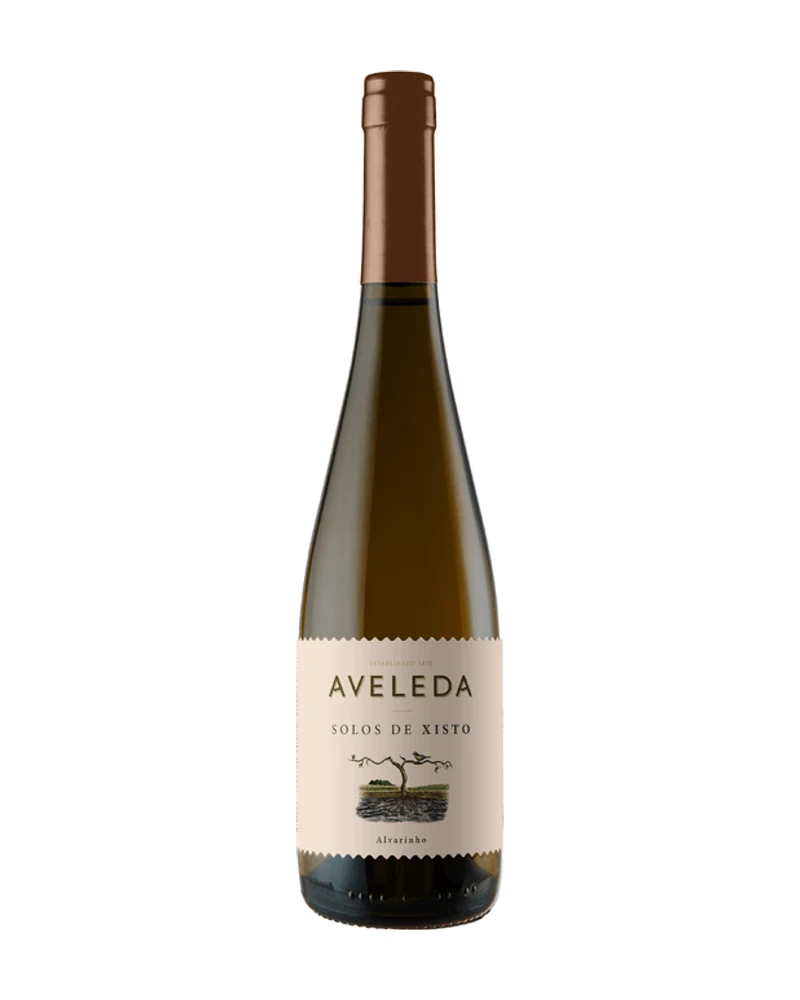
Aveleda Solos de Xisto Alvarinho
The best white grape with seafood. Full stop.
Hand-picked Alvarinho from slate soils. Nine months on the lees and nine in bottle. Jasmine and peach on the nose, velvety and creamy on the palate. Nelson's favourite with fish.
Availability to be confirmed
Frequently asked questions
Is Vinho Verde green wine?
No. Verde means young here: traditionally fresh wine drunk soon after harvest. Vinho Verde can be white, rosé or red. The name also refers to the green landscape of the Minho.
What is the difference between Alvarinho and Albariño?
They are the same grape. Alvarinho is the Portuguese name, Albariño the Spanish one; it is grown on both sides of the Minho river, in Portugal’s Vinho Verde region and Spain’s Rías Baixas.
Is Vinho Verde always light and spritzy?
Not always. The classic style is light, fresh and sometimes slightly sparkling. But Alvarinho or Avesso, especially after ageing on the lees, is fuller, creamier and can age for years.
What food goes with Alvarinho?
Fish and seafood: oysters, grilled fish, prawns and mussels. The freshness and saline minerality suit anything from the sea.