Regions Douro
Region guide · Portugal
The Douro
The valley of Port: steep schist terraces, hot summers and native grapes such as Touriga Nacional. Today just as much the source of dry red and white wine.
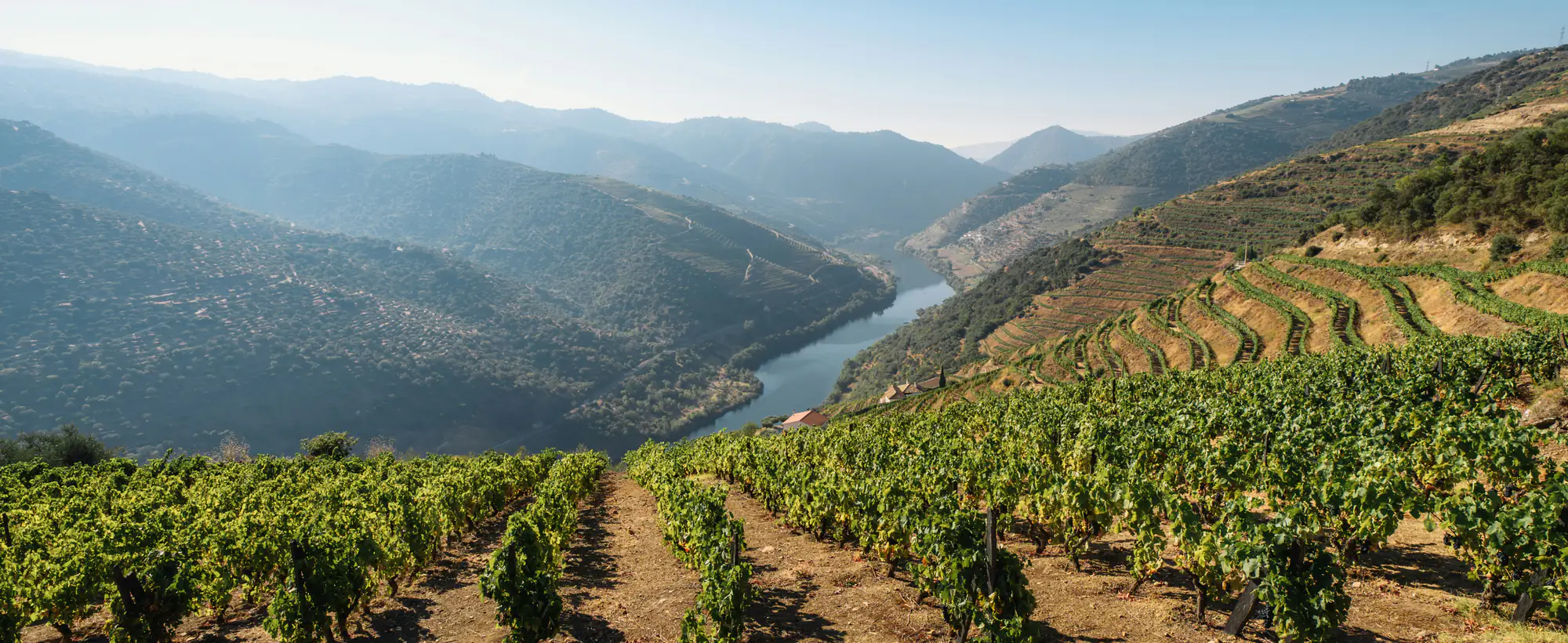
The Douro is the river that runs from Spain across northern Portugal to Porto, and the valley around it is one of the most spectacular wine landscapes in the world: slopes so steep the vines stand on hand-built terraces, in schist that holds water and reflects the heat.
For centuries everything here revolved around Port. It is still the valley’s best-known wine, but the dry wines have built a reputation of their own over the past decades. The grapes that give Port its power also make reds with ripe fruit and firm structure, and whites fresher than you would expect from such a hot place.
At a glance
- Location
- Northern Portugal, along the Douro river, inland from Porto to the Spanish border
- Demarcated
- 1756, by the Marquis of Pombal
- World Heritage
- The Alto Douro Wine Region has been on the UNESCO list since 2001
- Sub-regions
- Baixo Corgo, Cima Corgo and Douro Superior
- Soil
- Mostly schist (xisto), with pockets of granite
- Climate
- Hot, dry summers and cold winters; the mountains block the Atlantic rain
- Red grapes
- Touriga Nacional, Touriga Franca, Tinta Roriz, Tinta Barroca, Tinto Cão
- White grapes
- Viosinho, Rabigato, Gouveio, Malvasia Fina, Moscatel Galego Branco
- Designations
- Porto (Port) for fortified wine, DOC Douro for dry wine
Landscape and climate
The valley has three parts. In the west, Baixo Corgo: the coolest and wettest, closest to the Atlantic. Beyond it, Cima Corgo around Pinhão, the heart of the region and home to many famous quintas. Furthest east, towards Spain, Douro Superior: the hottest, driest and least populated.
The Marão and Alvão mountains keep most of the ocean rain out. What remains is a region of long, hot summers where vines must root deep. The schist helps: it splits vertically, so roots can reach the water below.
The oldest terraces, the socalcos, are held by dry-stone walls. Newer vineyards sit on wider machine-built patamares, or in rows straight up the slope. Nearly everything is still done by hand: a tractor does not get far on most of these hills.
The grapes
The Douro works with native grapes, often several at once. Touriga Nacional is the best known: floral, dark-fruited and highly structured. Touriga Franca adds perfume and finesse, Tinta Roriz — the same grape as Spanish Tempranillo — power and body.
In the oldest vineyards the varieties are not even planted separately. A field blend is a plot where dozens of grapes grow side by side and are picked together. That is how it used to be done everywhere, and it gives a layered quality that is hard to copy with a blend made in the cellar.
For white wine, Viosinho, Rabigato and Gouveio bring structure: fresh, mineral, with good acidity. Moscatel Galego Branco brings perfume. Around Alijó and Favaios it is a speciality, usually as sweet Moscatel do Douro — but made dry, it surprises.
Port and dry wine
Port is made by adding grape spirit during fermentation. Fermentation stops, natural sugar remains and the alcohol ends up around twenty per cent. Traditionally Port ages in the lodges of Vila Nova de Gaia, across the river from Porto.
Dry Douro wine is not fortified: fermentation simply runs until the sugar is gone. The reds are often full and concentrated, with ripe fruit and tannin, some aged in oak. The best whites come from higher plots, where nights are cooler and the grapes keep their acidity.
Some styles bend the rules: white and rosé Port made to be drunk young and chilled, as an aperitif rather than with dessert.
What to eat with it
The local cooking is hearty: roast lamb and kid, stews, bacalhau and mountain cheeses. The red Douro wines are made for it. The dry whites suit fish and anything that starts with a glass and a few nibbles.
Which wine with…
Our wines from the Douro
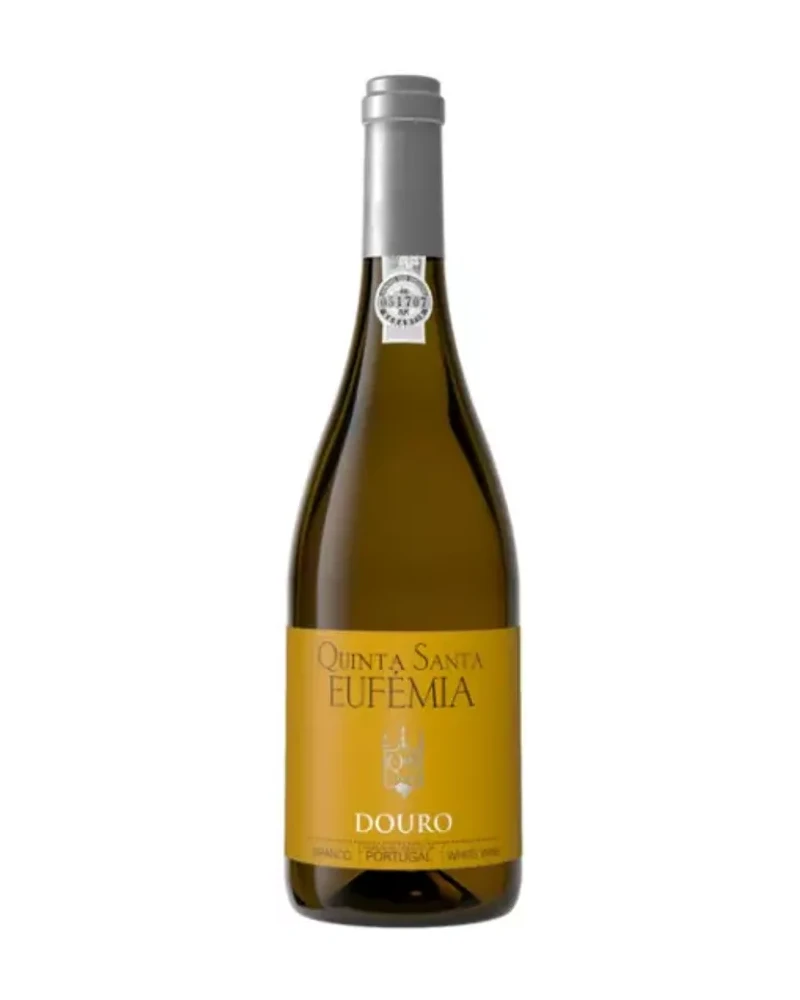
Quinta de Santa Eufémia Branco
Varna's house white. Douro, but dry.
A dry white blend of four Douro grapes from the valley of Port. Floral, fresh and remarkably long — Varna's house bottle for birthdays, parties and sushi.
Availability to be confirmed
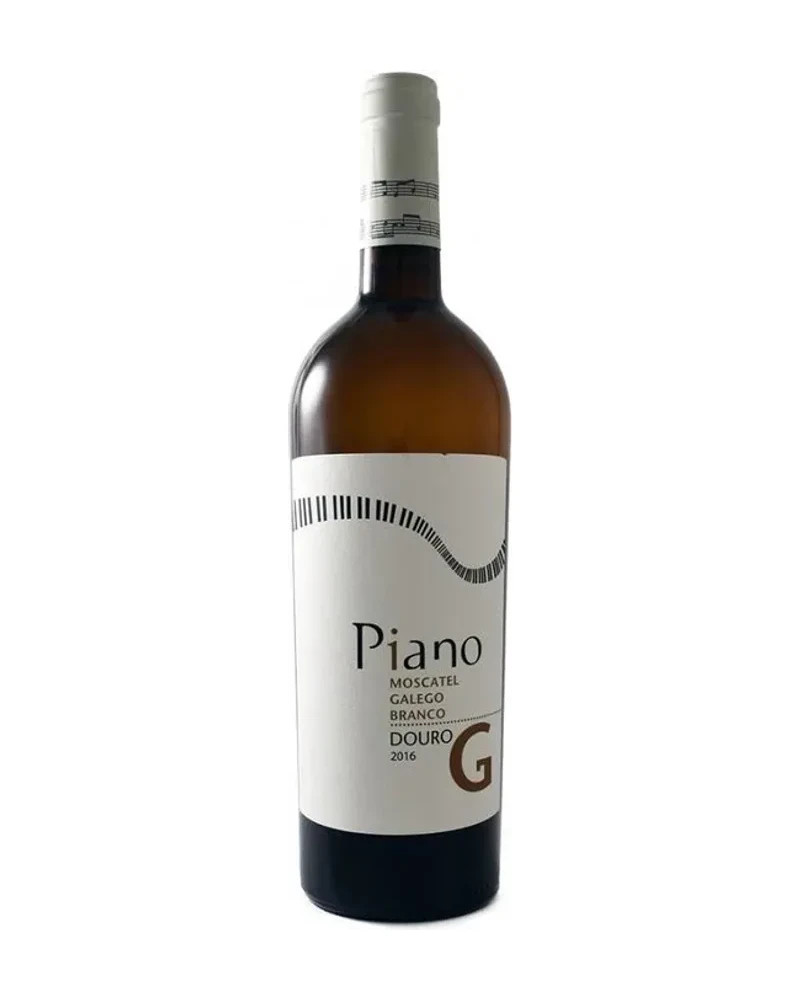
Moscatel Galego Branco
Moscatel that is not sweet. Still makes a statement.
Pure Moscatel Galego grown on granite and slate around Alijó. Grapefruit, lychee and lime; dry and mineral with a silky texture. The bottle for spicy curry or prawns.
Availability to be confirmed
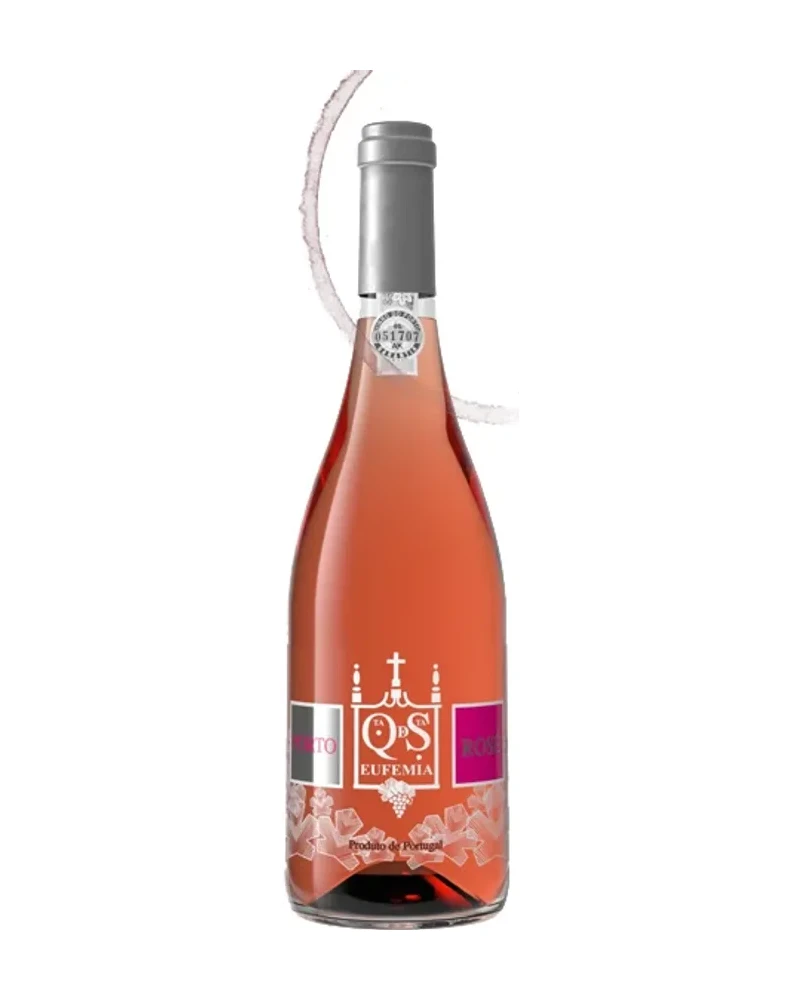
Quinta de Santa Eufémia Rosé Port
A Port you can happily serve over ice.
Winemaker Alzira breaks with tradition: stainless steel rather than oak, made to drink young. Strawberry, raspberry and a touch of almond. Not a dessert wine — this opens the evening.
Availability to be confirmed
Eirados Reserva 2023
Two thousand years of wine country. And a little Varna in it.
From the Eirados Varna vineyard: Varna's first own red label, made by Alzira Castro-de Carvalho. Floral aromas, full ripe fruit and silky tannins. A glass worth lingering over.
Availability to be confirmed
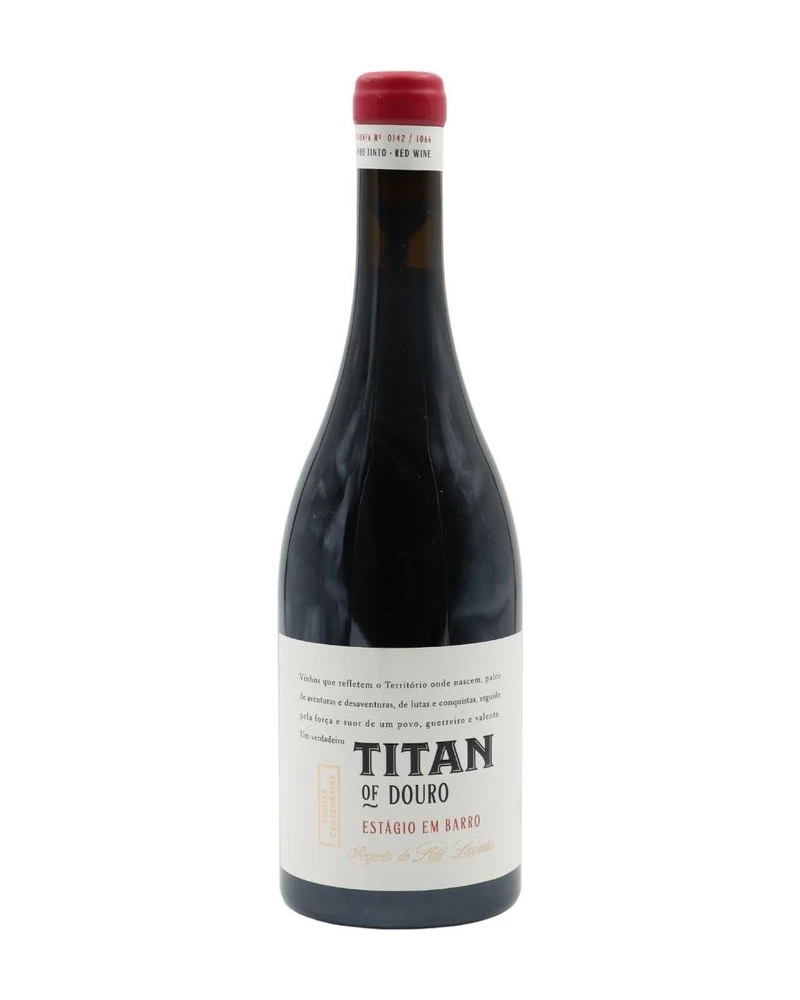
Titan of Douro — Vale dos Mil
Century-old vines. Foot-trodden. Wild yeasts.
From the Valley of a Thousand: ungrafted bush vines at 750–850 metres, organically farmed and foot-trodden in granite lagares. Intense, mineral and complex. Not a lunch wine.
Availability to be confirmed
Frequently asked questions
What is the difference between Douro wine and Port?
They come from the same valley and often the same grapes. Port is fortified: grape spirit is added during fermentation, leaving sugar behind and taking the wine to around twenty per cent alcohol. Dry Douro wine (DOC Douro) ferments fully and is not sweet.
Is the Douro the oldest wine region in the world?
It is one of the first officially demarcated wine regions: in 1756 the Marquis of Pombal fixed its borders with stone markers to protect Port from fraud. Chianti (1716) and Tokaj (1737) were demarcated earlier, but the Douro was the first with a complete system of borders, registry and quality control.
Which grapes grow in the Douro?
Mostly native varieties. Red: Touriga Nacional, Touriga Franca, Tinta Roriz (Tempranillo), Tinta Barroca and Tinto Cão. White: Viosinho, Rabigato, Gouveio, Malvasia Fina and Moscatel Galego Branco. Old vineyards often mix dozens of varieties.
What food goes with red Douro wine?
Roast or braised meat — lamb in particular — and aged cheese. The wines have ripe fruit and firm tannin, which want protein and fat.