Regions Alentejo
Region guide · Portugal
The Alentejo
Portugal’s sunny south: rolling plains, cork oaks and round, ripe red wines. Also the home of the ancient talha — wine made in clay amphorae.
The Alentejo covers about a third of Portugal: the broad, sunny land between the Tagus and the Algarve. Rolling plains, whitewashed villages, olive trees and above all cork oaks. Portugal supplies about half the world’s cork, and much of it grows here.
For wine that means sun and warmth. The Alentejo is known for reds that are ripe, round and approachable: soft in tannin, generous in fruit. On cooler, higher sites — and in the hands of headstrong winemakers — elegant whites and rosés emerge too.
At a glance
- Location
- Southern Portugal, between the Tagus and the Algarve; about a third of the country
- Climate
- Hot and dry, with summers regularly above 35 °C
- Landscape
- Rolling plains with cork oaks (montado), olives and grain
- Sub-regions (DOC Alentejo)
- Portalegre, Borba, Redondo, Reguengos, Vidigueira, Évora, Granja-Amareleja and Moura
- Red grapes
- Aragonez, Trincadeira, Alicante Bouschet, Castelão
- White grapes
- Antão Vaz, Arinto, Roupeiro
- Tradition
- Vinho de Talha: wine made in large clay amphorae, a technique dating back to Roman times
Landscape and climate
Where the Douro is steep and narrow, the Alentejo is wide and open. Summers are hot and dry, winters mild. Grapes ripen easily here — the skill lies in not letting them ripen too far, so the wine stays fresh.
That is why the differences within the region matter. Portalegre in the north sits higher, against the Serra de São Mamede, and gives fresher wines. Vidigueira in the south is, despite its latitude, known for white wine thanks to the cool evening breeze. Around Reguengos, Borba and Évora lie many of the best-known estates.
The grapes
Aragonez is the same grape as Spanish Tempranillo and the Douro’s Tinta Roriz; here it gives round, ripe fruit. Trincadeira adds spice and freshness, Alicante Bouschet deep colour and structure — almost a signature of the region. International varieties such as Syrah and Cabernet Sauvignon also thrive and often go into the blend.
For whites, Antão Vaz is the typical Alentejo grape: full and ripe. Arinto brings fresh acidity, Roupeiro perfume.
Vinho de Talha
Long before stainless steel, the Romans made wine here in talhas: large clay jars, sometimes as tall as a person. The tradition never fully disappeared in the Alentejo and now has its own designation within the DOC. Talha wine is often unfiltered, with a distinctive earthy texture.
What to eat with it
Alentejo cooking is rustic and generous: porco preto, the black pig raised on acorns; ensopado de borrego, a lamb stew; migas and açorda made from bread. Round local reds are the natural match, as they are for anything off the grill.
Which wine with…
Our wines from the Alentejo
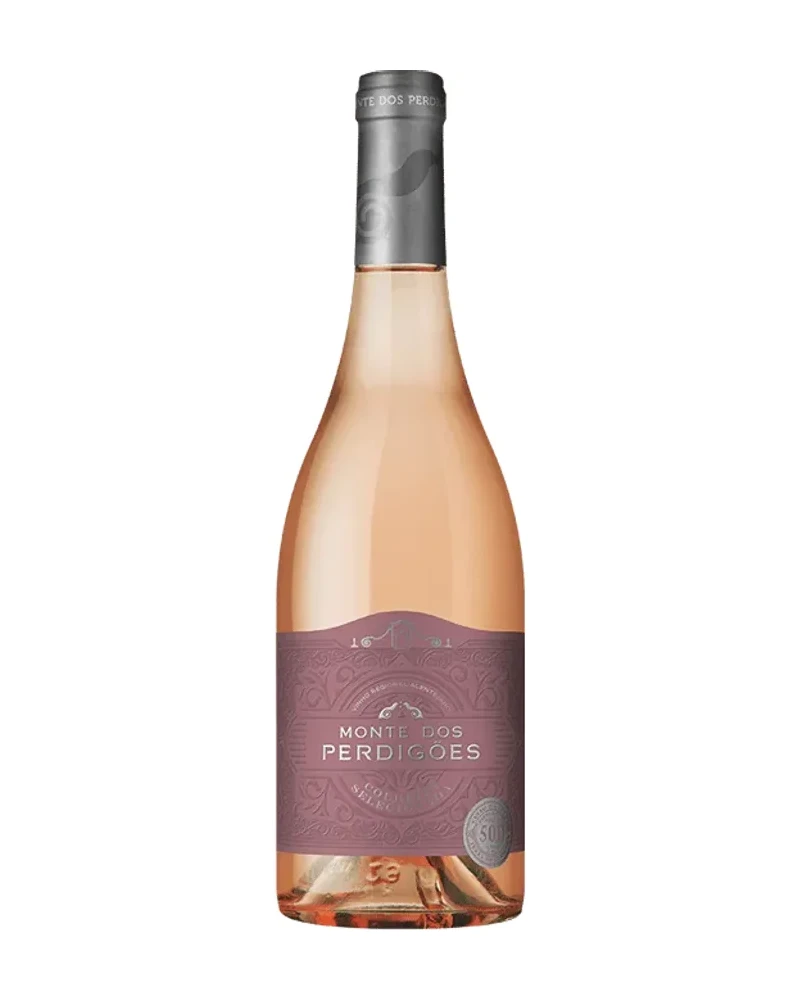
Monte dos Perdigões Rosé
An Alentejo rosé that ignores the Alentejo rulebook.
From an estate once home to a writer and a composer. Pale salmon, cherry and blackberry on the nose; dry and elegant on the palate. For sushi, salads or an evening that could go anywhere.
Availability to be confirmed
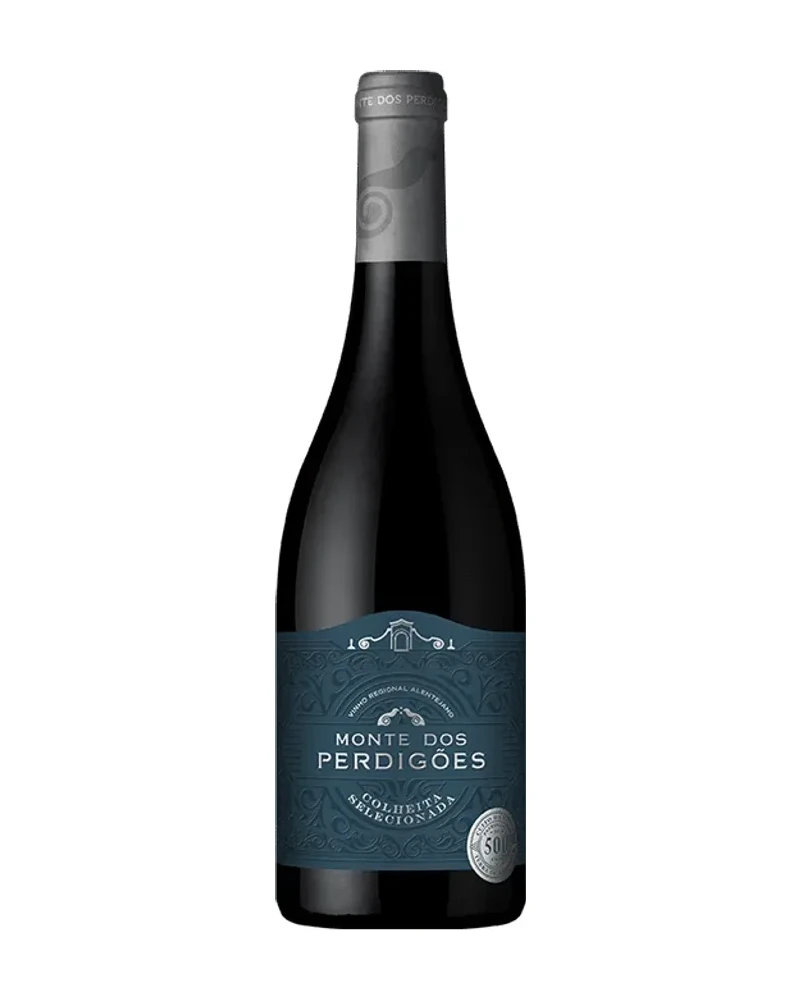
Monte dos Perdigões Tinto
Soft, rounded and assured. No bombastic tannins.
Three grapes vinified separately, then slowly matured in stainless steel and French oak. Deep red with a violet hue, ripe forest fruit, remarkably soft and round. For grilled meat, game or firm cheese.
Availability to be confirmed
Frequently asked questions
What kind of wine comes from the Alentejo?
Mainly ripe, round reds with soft tannins and plenty of fruit, often a blend of Aragonez, Trincadeira and Alicante Bouschet. Also full whites from Antão Vaz and Arinto, and increasingly elegant rosé.
What is Aragonez?
Aragonez is the Portuguese name for Tempranillo, Spain’s best-known grape. In the Douro the same grape is called Tinta Roriz. In the warm Alentejo it gives ripe, round fruit.
What is Vinho de Talha?
Wine fermented and aged in a talha: a large clay amphora. The technique goes back to Roman times and is still alive in the Alentejo, with its own designation within DOC Alentejo.
What food goes with red Alentejo wine?
Grilled and braised meat: lamb, pork, game. The soft tannins also make it a good barbecue wine, where firm tannins clash with smoke.